Bhojan Mantr
अन्न ग्रहण करने से पहले
विचार मन मे करना है
किस हेतु से इस शरीर का
रक्षण पोषण करना है
हे परमेश्वर एक प्रार्थना
नित्य तुम्हारे चरणों में
लग जाये तन मन धन मेरा
विश्व धर्म की सेवा में ॥
ब्रह्मार्पणं ब्रह्महविर्ब्रह्माग्नौ ब्रह्मणा हुतम्।
ब्रह्मैव तेन गन्तव्यं ब्रह्मकर्म समाधिना।।
अहं वैश्वानरो भूत्वा प्राणिनां देहमाश्रित: |
प्राणापानसमायुक्त: पचाम्यन्नं चतुर्विधम्
हर्रि दाता हर्रि भोक्ता हर्रि अन्नं प्रजापति |
हर्रि: सर्व शरीरस्थो भोक्ते भुज्यते हरी: ||
Brahmārpañam Brahma Havir BrahmāgnauBrahmañāhutaṃ,
Brahmaiva Tena Gantavyam BrahmakarmāSamādhinah.
The act of offering is God. The oblation is God. By God it is offered into the Fire of God. God is That which is to be attained by him who performs action pertaining to God.
AhamVaishvānaroBhutvā PrāñināmḌehamāshritaha,
PrāñāpānaSamāyuktah PachāmyannamChaturvidham.
It is I who take the form of the fire of digestion in the stomachs of all living beings, and combine with the incoming and outgoing breaths, to digest and assimilate the four kinds of foods.
HarirDātāHarirBhoktā Harir Annam Prajāpatih
HarirVipraSharīrāstu BhūnkteBhojayateHarih.
God is the giver, God is the consumer, God is food and the creator of food. God is present in every pore of my body. Verily, God alone is granting, consuming and digesting food.
ॐ सह नाववतु।
सह नौ भुनक्तु।
सह वीर्यं करवावहै।
तेजस्विनावधीतमस्तु।
मा विद्विषावहै॥
ॐ शान्ति: शान्ति: शान्ति:॥
The items we use to feed ourselves are Brahman.
The food itself is Brahman. The fire of hunger we feel is Brahman.
We are Brahman and the process of eating and digesting the food is the action of Brahman.
Finally, the result we obtain is Brahman. – Bhagavad Gita
Let us protect each other. Let us eat together.
Let us work together. Let us study together to be bright and successful.
Let us not hate each other.
Aum Peace, Peace, Peace
ओ3म् अन्नपतेSन्नस्य नो देह्यनमीवस्य शुष्मिणः/
प्र प्रदातारं तारिष ऊर्ज्जं नो धेहि द्विपदे चतुष्पदे //
ओ3म् शान्तिः शान्तिः शान्तिः ! - यजुर्वेद ११.८३
नानाविध अन्नों के दाता, सब विध अन्न प्रदान करो,
रोग रहित और पुष्टि कारक, अन्न दे ओज प्रदान करो /
अन्न दाता के मंगल कर्ता, ऐसा प्रभु विधान करो
प्राणी मात्र सब पायें भोजन, सबको (सुख-) शान्ति प्रदान करो //
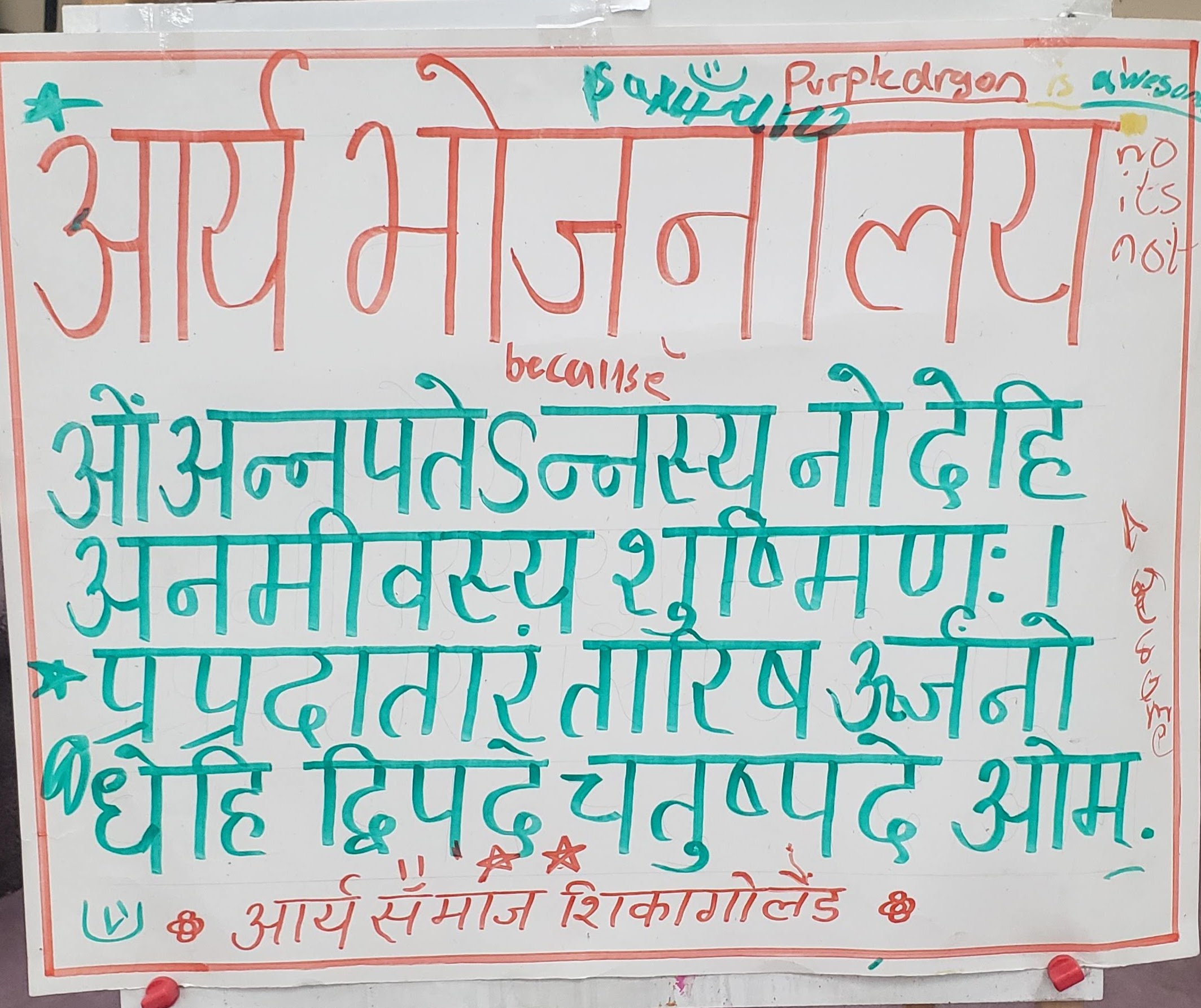
“Annadata Sukhi Bhava” means “Those who are providing me with this food, let them be happy’.
ॐ अन्नपूर्णे सदापूर्णे शङ्करप्राणवल्लभे।
ज्ञानवैराग्यसिद्ध्यर्थं भिक्षां देहि च पार्वती।।
माता च पार्वती देवी पिता देवो महेश्वरः।
बान्धवाः शिवभक्ताश्च स्वदेशो भुवनत्रयम्।।
ॐ पूर्णमदः पूर्णमिदं पूर्णात्पूर्णमुदच्यते।
पूर्णस्य पूर्णमादाय पूर्णमेवावशिष्यते।।
ॐ शान्तिः शान्तिः शान्तिः।।
ॐ शिवार्पणमस्तु।।
Aum, beloved Shakti of Siva, fullness everlasting and fully manifest as this food; O, Mother of the universe, nourish us with this gift of food so that we may attain knowledge, dispassion and spiritual perfection. Goddess Parvati is my mother. God Maheshvara is my father. All devotees of Siva are my family. All three worlds are my home. Aum, That is Fullness. Creation is fullness. From Divine Fullness flows this world’s fullness. This fullness issues from that Fullness, yet that Fullness remains full. Aum, peace, peace, peace. Aum, this I offer unto Siva.
वदनि कवळ घेता नाम घ्या श्रीहरीचे ।
सहज हवन होते नाम घेता फुकाचे ।
जिवन करि जिवित्वा अन्न हे पूर्णब्रह्म ।
उदरभरण नोहे जाणिजे यज्ञकर्म ॥१॥
जनीं भोजनी नाम वाचे वदावे ।
अती आदरे गद्यघोषे म्हणावे ।
हरीचिंतने अन्न सेवित जावे ।
तरी श्रीहरी पाविजेतो स्वभावे ॥२॥
जयजय रघुवीर समर्थ ॥
Gita Chapter 15, Verse 14
अहं वैश्वानरो भूत्वा प्राणिनां देहमाश्रित: |
प्राणापानसमायुक्त: पचाम्यन्नं चतुर्विधम् ||
It is I who take the form of the fire of digestion in the stomachs of all living beings, and combine with the incoming and outgoing breaths, to digest and assimilate the four kinds of foods.
हर्रि दाता हर्रि भोक्ता हर्रि अन्नं प्रजापति |
हर्रि: सर्व शरीरस्थो भोक्ते भुज्यते हरी: ||
ओम् यन्तु नदयोः वर्षन्तु पर्जंया सुपिप्पला ओषधयोः भवन्तुः ।
अन्नवताम् ओदनवताम् मामिक्षवताम् एशाम् राजा भूयासन् ।।
ओदन् मुत्ब्रुवते परमेष्ठीवा एषः यदोदनः ।
परमामेवैनम् श्रियंगमयति ।।1।।
Moghamannam vindate aprachetaah
Satyam braveemi vadha itsa tasya
Na aryamanam pushyati no sakhaayam
Kevalaagho bhavati kevalaadee
Sathyam rthena parishinchami
Pranaya swaha apanaya swaha
Vyanaya swaha udanaya swaha
Samanayaswaha
Brahmane swaha
त्वदीय वस्तु गोविंदम, तुभ्यमेव समर्पये।
गृहाण सुमुखो भूत्वा प्रसीद परमेश्वर।
अन्नं ब्रह्म, रसौ विष्णु, भोक्ता देवा महेश्वरः।
इति संचिन्त्य भुञ्जानं दृष्टि दौषौ न बाधते।
सहना भवतु, सहनौ भुनक्तु सह वीर्यं करवावहै तेजस्विनावधीतमस्तु मा विद्विषावहै।
अन्नं ब्रह्म इति अन्न पूर्णायै नमः।
Bhagavad-Geetaa, Ch.15 , Sloka-14 :
"Aham Vaisvaanaro bhootvaa praaninaam dehamaashritah,
Praanaapaanasamaayuktah pachaamyannam chaturvidham".
Ch.15-14.अहं वैश्वानरो भूत्वा प्राणिनां देहमाश्रितः। प्राणापानसमायुक्तः पचाम्यन्नं चतुर्विधम्॥
MEANING :
Having become the fire Vaisvaanara, I (the Almighty God) abide in the body of living beings and, associated with the Praana and the Apaana, digest the fourfold food i.e. (1) Bhakshyam - food which has to be eaten by mastcation; (2) Bhojyam - that which has to be sucked in; (3) Lehyam - that which has to be licked and (4) Choshyam - that which has to be devoured or swallowed.
He/She who thinks or meditates and feels that the Vaisvaanara fire is the eater, the food eaten by the fire is the Soma (Moon) and that the two together form Agni-Somam is not contaminated by the impurities in the food. He/She who meditates before he/she takes his/her food that the whole world which is in the form of eater and eaten is made up of Agni and Soma, is not tainted by the evil arising from bad food.
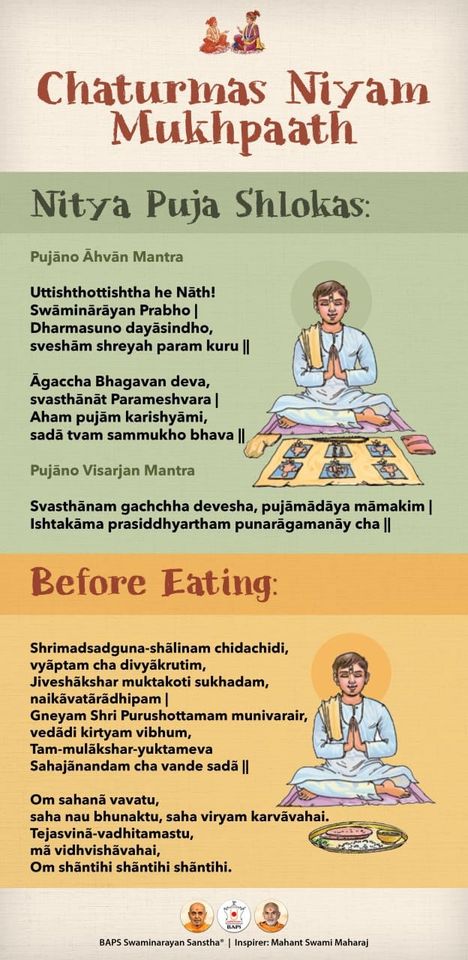
Annaat Brahma Rasovai Vishnuhu Bhoktaa Devo Maheswaraha, Evam Gnatwaatu yo Bhunkte Anna Dosho Na Lipyate
Ardaas-before-eating
ਇਕੋ ਦਾਤਾ ਮੰਗੀਐ ਸਭੁ ਕਿਛੁ ਪਲੈ ਪਾਇ ॥
Iko daataa mangiyae sabh kich palai paai ||
Beg from the One Lord, the Great Giver, and you will be blessed with everything.
ਮਨਿ ਤਨਿ ਸਾਸਿ ਗਿਰਾਸਿ ਪ੍ਰਭੁ ਇਕੋ ਇਕੁ ਧਿਆਇ ॥
Man tan saas giraas prabh iko ik dhiaai ||
In your mind and body, with each breath and morsel of food, meditate on the One and only Lord God.
ਜਿਹ ਪ੍ਰਸਾਦਿ ਛਤੀਹ ਅੰਮ੍ਰਿਤ ਖਾਹਿ ॥ ਤਿਸੁ ਠਾਕੁਰ ਕਉ ਰਖੁ ਮਨ ਮਾਹਿ ॥
Jih prasaad chateeh amrit khaahi || Tis thaakur kau rakh man maahi ||
By His Grace, you partake of the thirty-six delicacies; enshrine that Lord Master within your mind.
ਡਡਾ ਦਾਤਾ ਏਕੁ ਹੈ ਸਭ ਕਉ ਦੇਵਨਹਾਰ ॥ ਦੇਂਦੇ ਤੋਟਿ ਨ ਆਵਈ ਅਗਣਤ ਭਰੇ ਭੰਡਾਰ ॥
Daddaa daataa ek hai sabh kau devanhaar || Dende tot na aavaee agnat bhare bhandaar ||
The One Lord is the Great Giver; He is the Giver to all. There is no shortage in His giving; His storehouses are filled to overflowing.
The Tibetan Buddhist Food Offering (Om Ah Hum)
In Tibetan Buddhism, practitioners consecrate their food before eating by reciting "Om Ah Hum" three times.
Meaning: These three seed syllables represent the holy body (Om), speech (Ah), and mind (Hum) of the Buddhas. Chanting them transforms the food mentally into pure wisdom nectar, which is then offered to the Triple Gem (the Buddha, the Dharma, and the Sangha) before consumption.
Theravada Meal Reflection
In Theravada monastic and lay traditions, practitioners reflect on the practical and non-hedonistic purpose of food:
"Wisely reflecting, I use this food not for fun, not for pleasure, not for fattening, not for beautification, but only for the maintenance and nourishment of this body, for keeping it healthy, for helping with the spiritual life"
The Zen Five Contemplations
In Zen Buddhism (popularized globally by traditions like Plum Village), practitioners recite the Five Contemplations silently or aloud before eating to reflect on where the food came from and how to consume it without greed:
- This food is a gift of the whole universe: the earth, the sky, and many living beings.
- May I eat with mindfulness and gratitude so as to be worthy to receive it.
- May I recognize and transform unwholesome mental states, especially greed.
- May I take this food as good medicine to keep my body healthy and sustained.
- I accept this food on the path to realizing enlightenment.
In Jainism, followers traditionally recite the Navkar Mantra (also called Namokar Mantra) three times as a prayer of gratitude and mindfulness before consuming any food or water.
Unlike other traditions that have a specific food-offering sloka naming a deity or the concept of Brahman, Jains use their core universal prayer to center the mind, express purity (Ahar Shuddhi), and show reverence to spiritually evolved souls before eating.
The Navkar Mantra (Pratham Mangal)
मो अरਿਹंताणं (Namo Arihantanam)
मो सिद्धाणं (Namo Siddhanam)
मो आयरियाणं (Namo Ayariyanam)
मो उवज्झायाणं (Namo Uvajjhayanam)
मो लोए सव्वसाहूणं (Namo Loye Savva Sahunam)
सो पञ्च णमोक्कारो, सव्वपावप्पणासणो।
मंगलाणं च सव्वेसिं, पढमं हवई मंगलं॥
Meaning
Namo Arihantanam: I bow to the Arihants (omniscient souls who have conquered inner passions).
Namo Siddhanam: I bow to the Siddhas (liberated, pure souls).
Namo Ayariyanam: I bow to the Acharyas (head-preachers of the ascetic order).
Namo Uvajjhayanam: I bow to the Upadhyayas (ascetic teachers).
Namo Loye Savva Sahunam: I bow to all the Sadhus (saints and spiritual practitioners) in the universe.
The final lines: This five-fold salutation destroys all sins and is the most auspicious of all auspicious things.
Significance Before MealsMindfulness:
Reciting it helps calm the nervous system, bringing awareness to the breath and slowing down a busy mind before eating.
Gratitude & Purity: It acknowledges the effort and non-violence (Ahimsa) involved in acquiring food, reminding the individual to eat with a calm, grateful, and mindful attitude rather than rushing mechanically.
Bharti Raizada